

Your shower screen used to sparkle. The sun would hit the glass and the whole bathroom felt bright, clean and fresh. But then one day you notice it… cloudy patches, rough areas, strange white marks that won’t wipe off no matter how hard you scrub.
You try everything. Vinegar. Strong chemicals. Heavy duty cleaners promising “instant results”.
Nothing works. Or worse — it actually gets worse.
What you might be dealing with is something professionals call glass cancer.
It sounds dramatic, but once it starts, the damage to your glass can be permanent.
The good news? It is completely preventable if you understand how glass actually works — and why harsh chemicals are often the worst thing you can use on it.
First Things First: What Is “Glass Cancer”?
Despite the name, glass cancer is not an actual disease.
It’s the term used in the cleaning and glass industry for permanent corrosion of the glass surface.
Glass may look perfectly smooth, but under a microscope it is actually porous and slightly textured. When minerals from hard water, soap residue and environmental particles sit on the surface for long periods, they begin to bond with the glass.
Over time this creates:
• cloudy or milky patches
• white staining
• rough areas you can feel with your fingers
• permanent etching in the glass surface
Once the glass surface itself becomes damaged, you are no longer cleaning dirt — you are trying to clean etched glass.
And unfortunately…
No cleaner in the world can reverse damaged glass.
The Quick Fix That Makes It Worse
When people first notice cloudy glass, the natural reaction is to reach for strong chemical cleaners.
Many products promise things like:
“Removes tough glass stains instantly!”
“Dissolves mineral deposits in seconds!”
And yes — they may temporarily remove some surface residue.
But many of these products work by being highly acidic or highly alkaline, which can actually attack the glass surface itself.
This is where the problem starts. If used repeatedly, aggressive chemicals can:
• weaken the protective surface of the glass
• accelerate mineral bonding
• create microscopic scratches
• make the glass even more porous
The result?
Water and minerals stick even faster.
The glass becomes harder to clean every time.
What started as a simple maintenance issue slowly turns into permanent glass damage.
Why Prevention Is Everything
Professional cleaners and glass manufacturers agree on one simple truth:
The best way to protect glass is regular gentle cleaning — not aggressive rescue cleaning.
Glass stays healthy when residue never gets the chance to build up in the first place.
That means removing:
• soap residue
• body oils
• hard water minerals
• dust and airborne particles
before they bond with the glass surface.
And the safest way to do that is surprisingly simple.
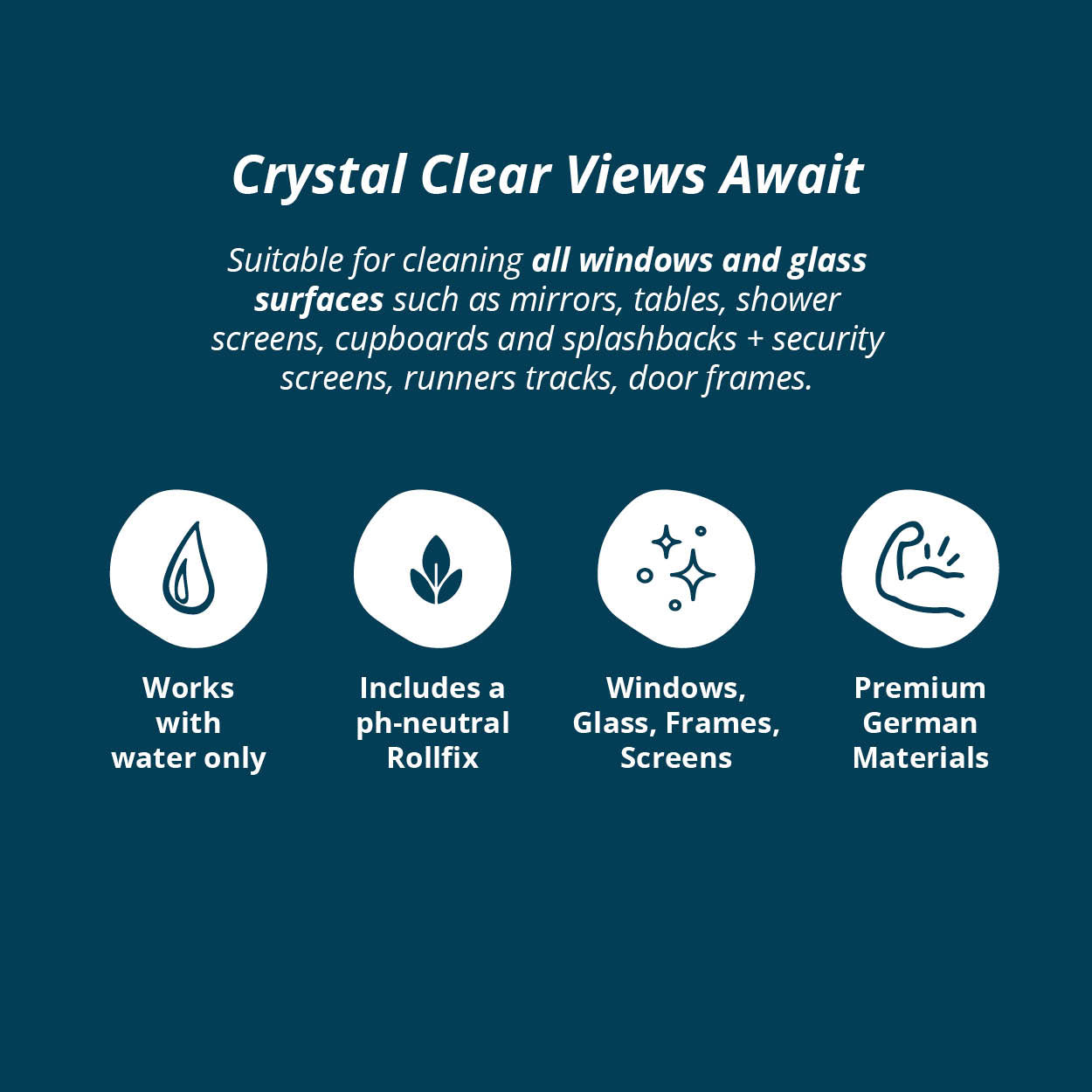
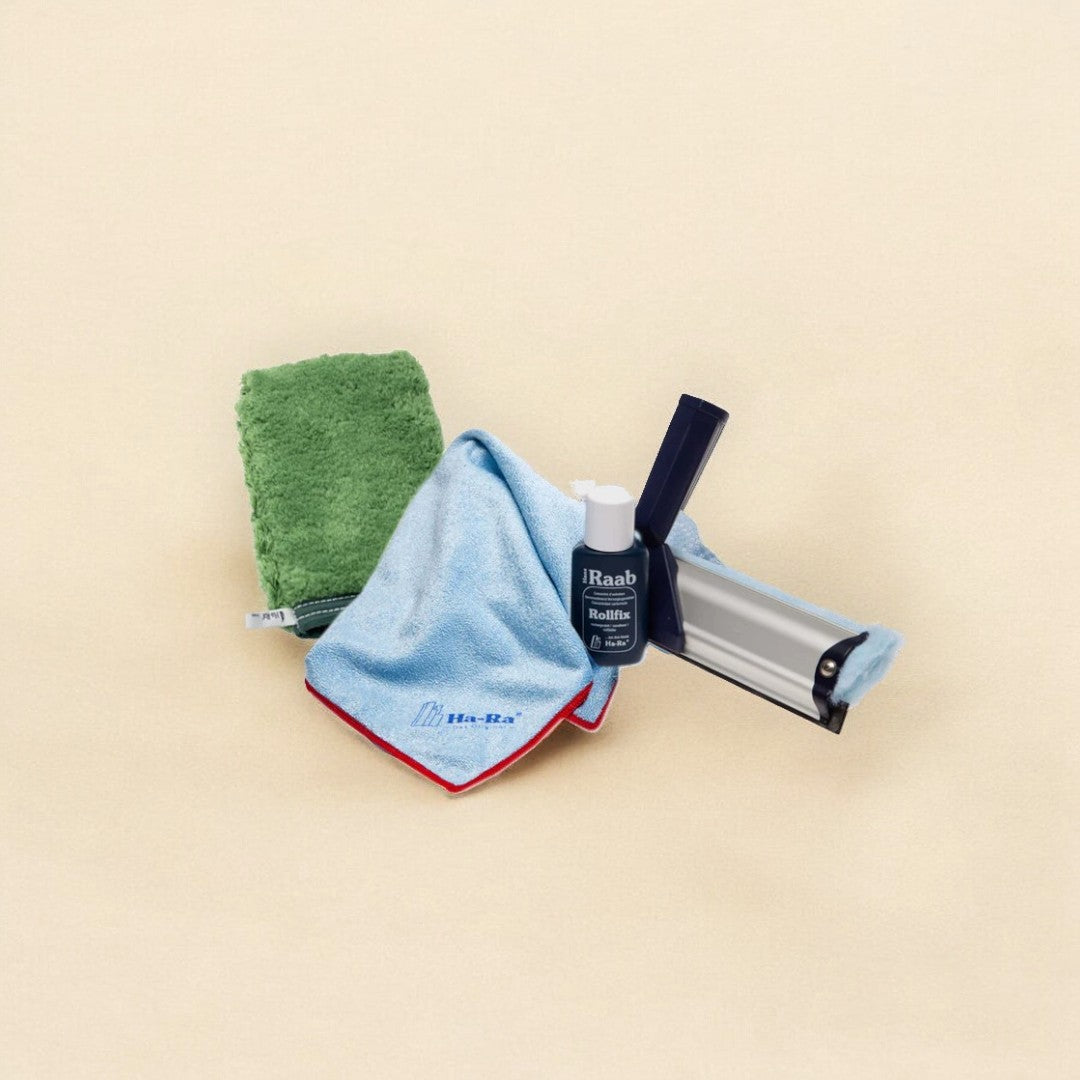
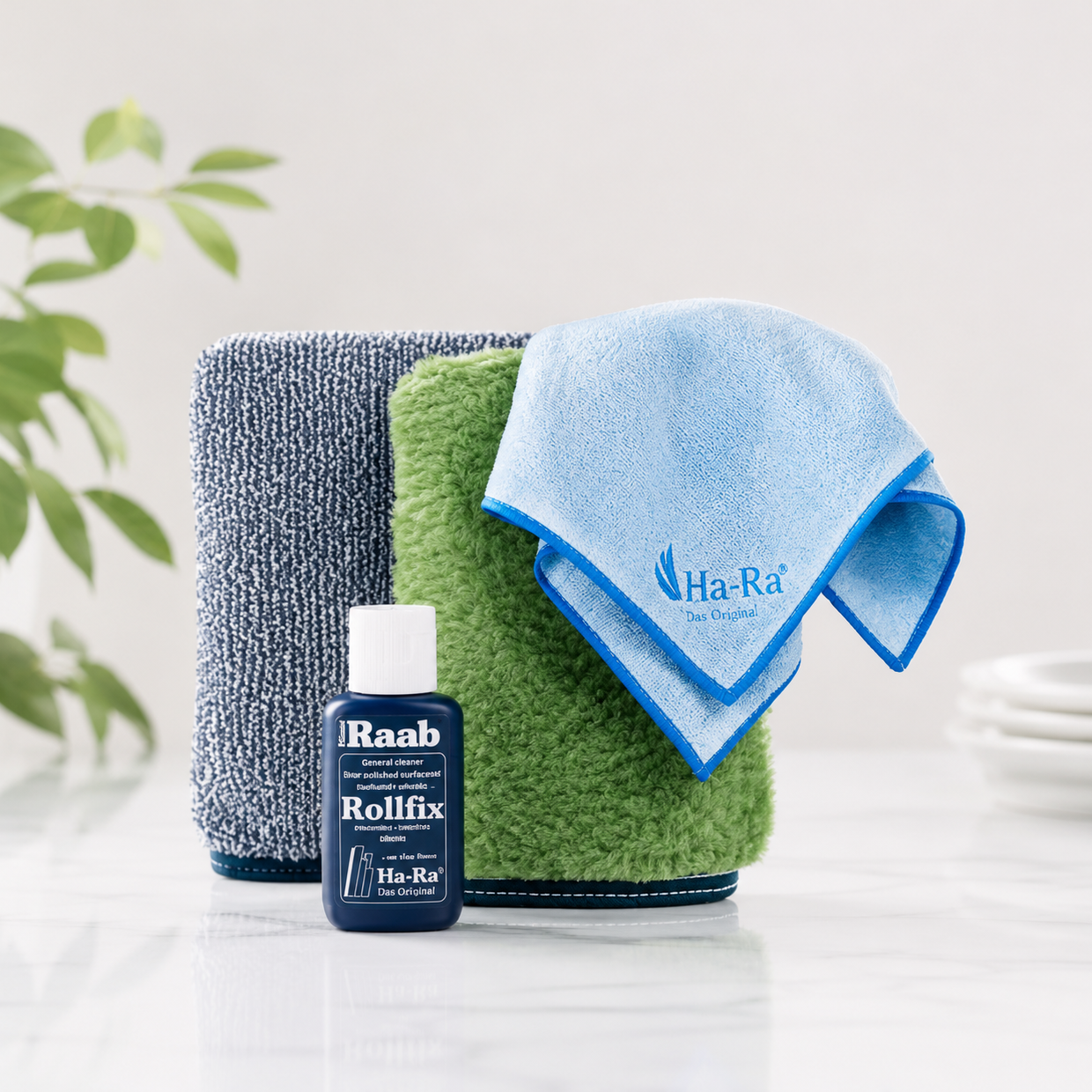
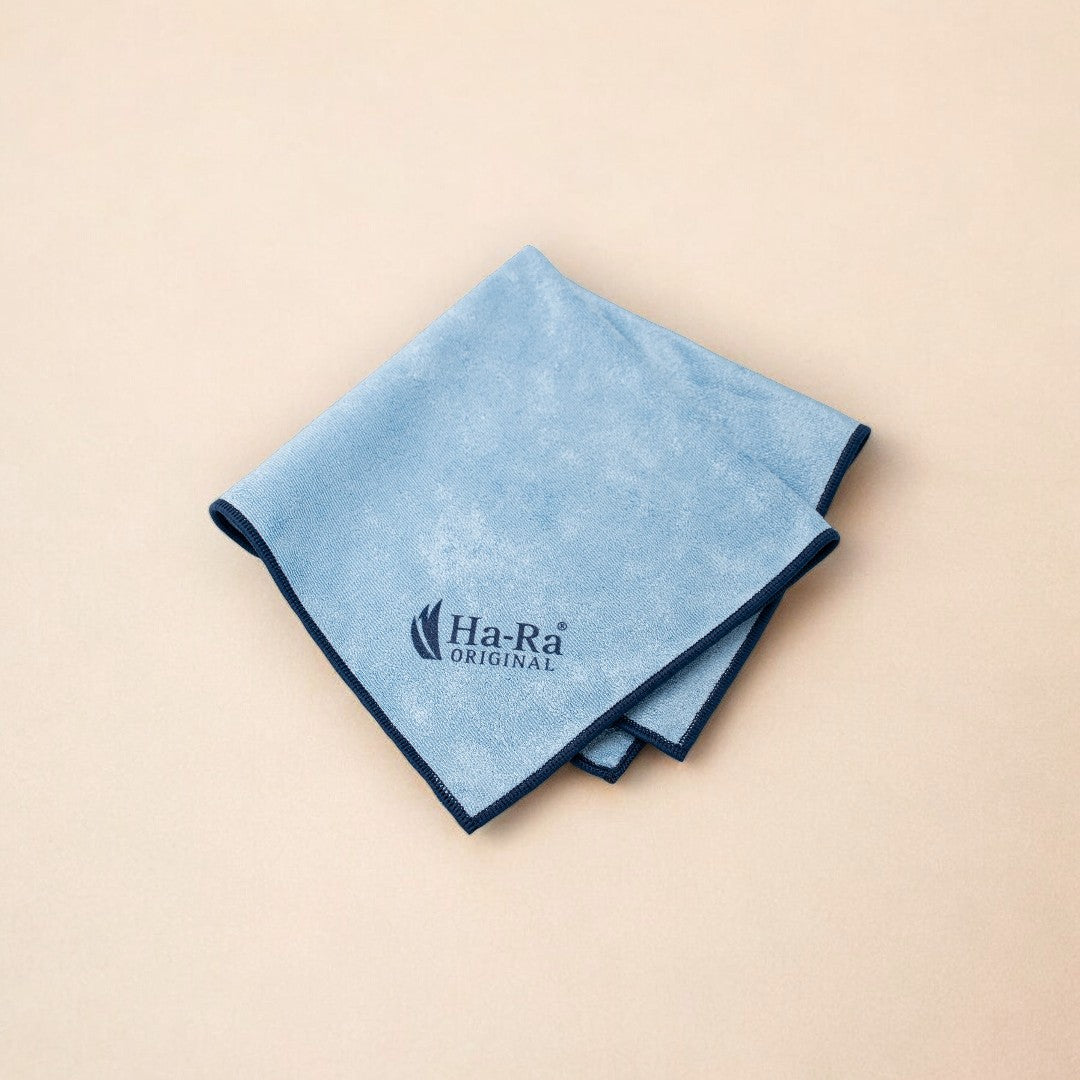
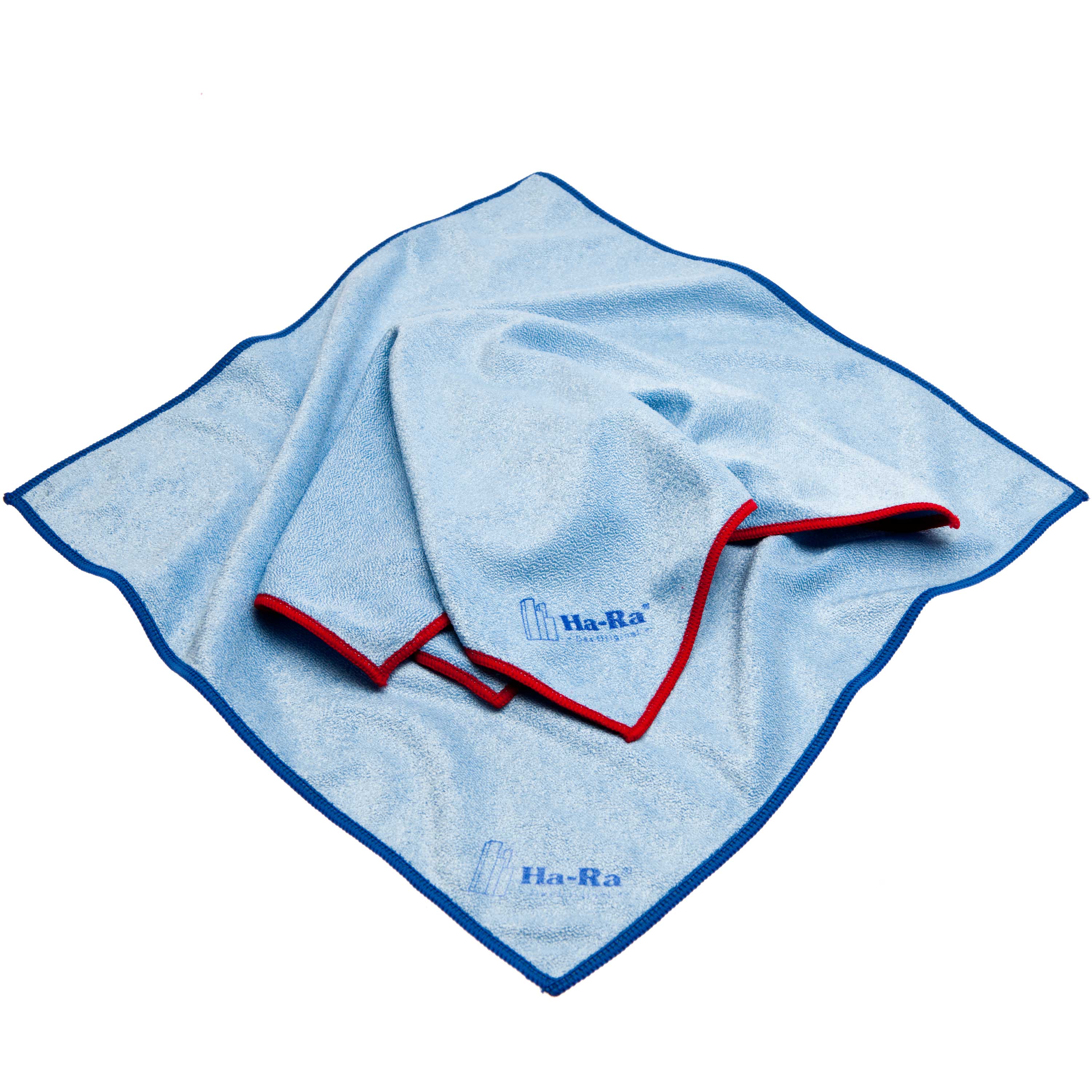
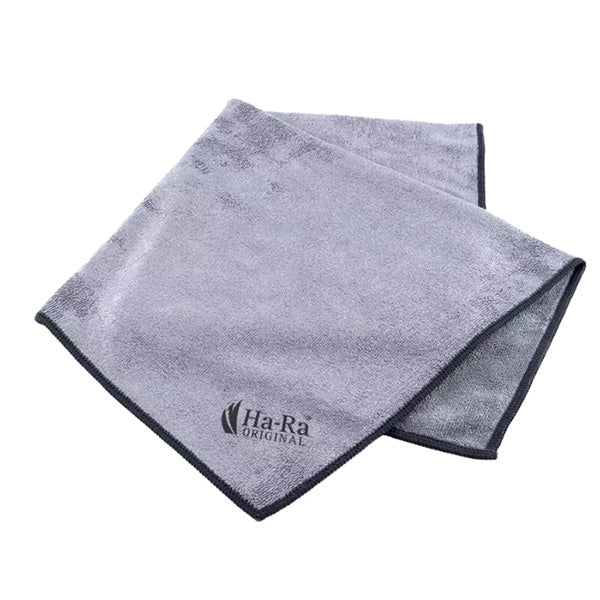
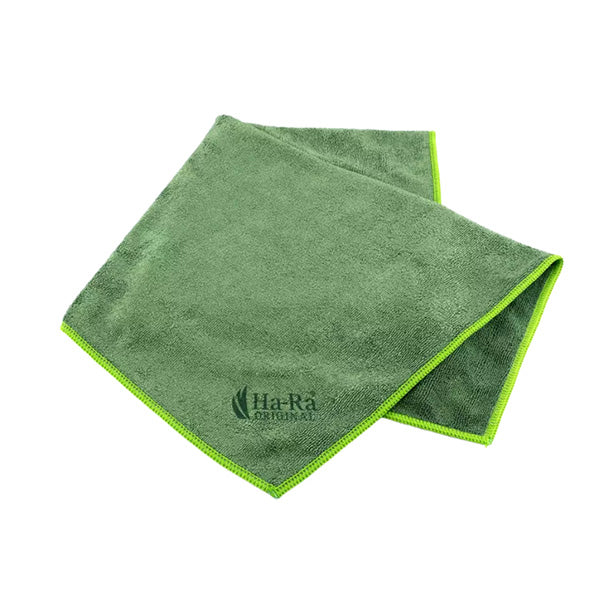
Water + the Right Fibre = The Safest Way to Clean Glass
At Ha-Ra, our cleaning philosophy has always been simple:
Remove dirt instead of smearing chemicals across surfaces.
Most glass problems are not caused by lack of chemicals — they are caused by residue being pushed around instead of properly removed.
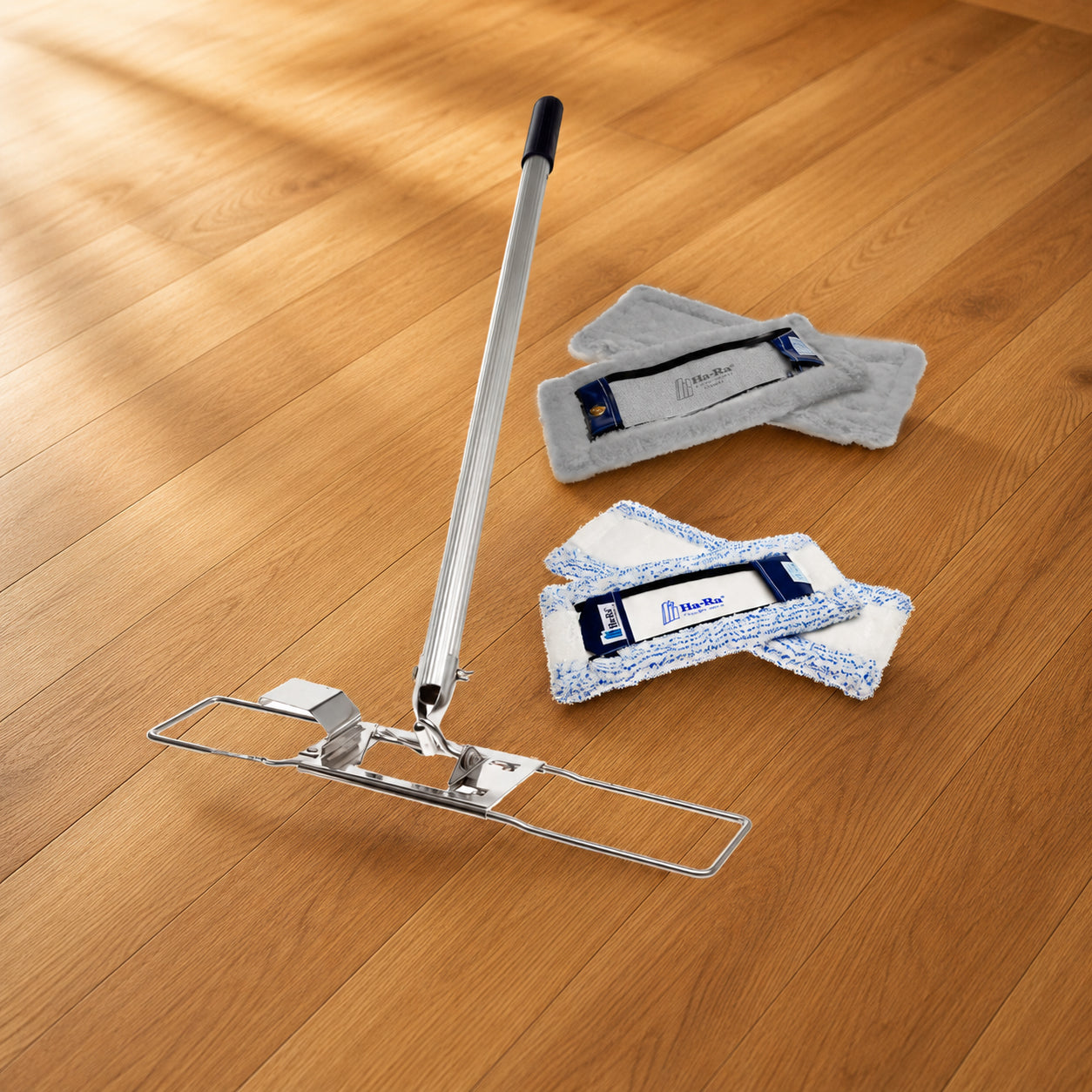
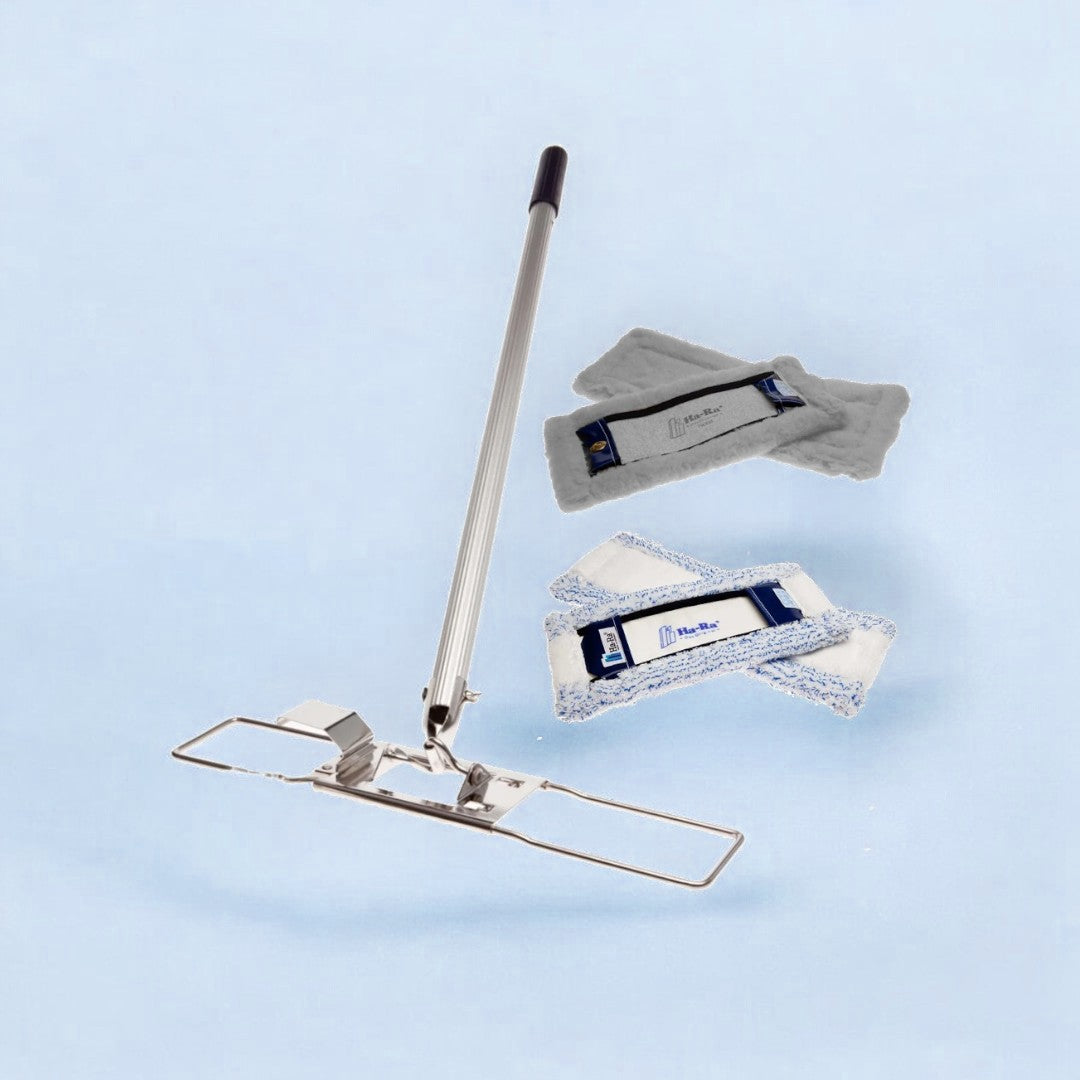
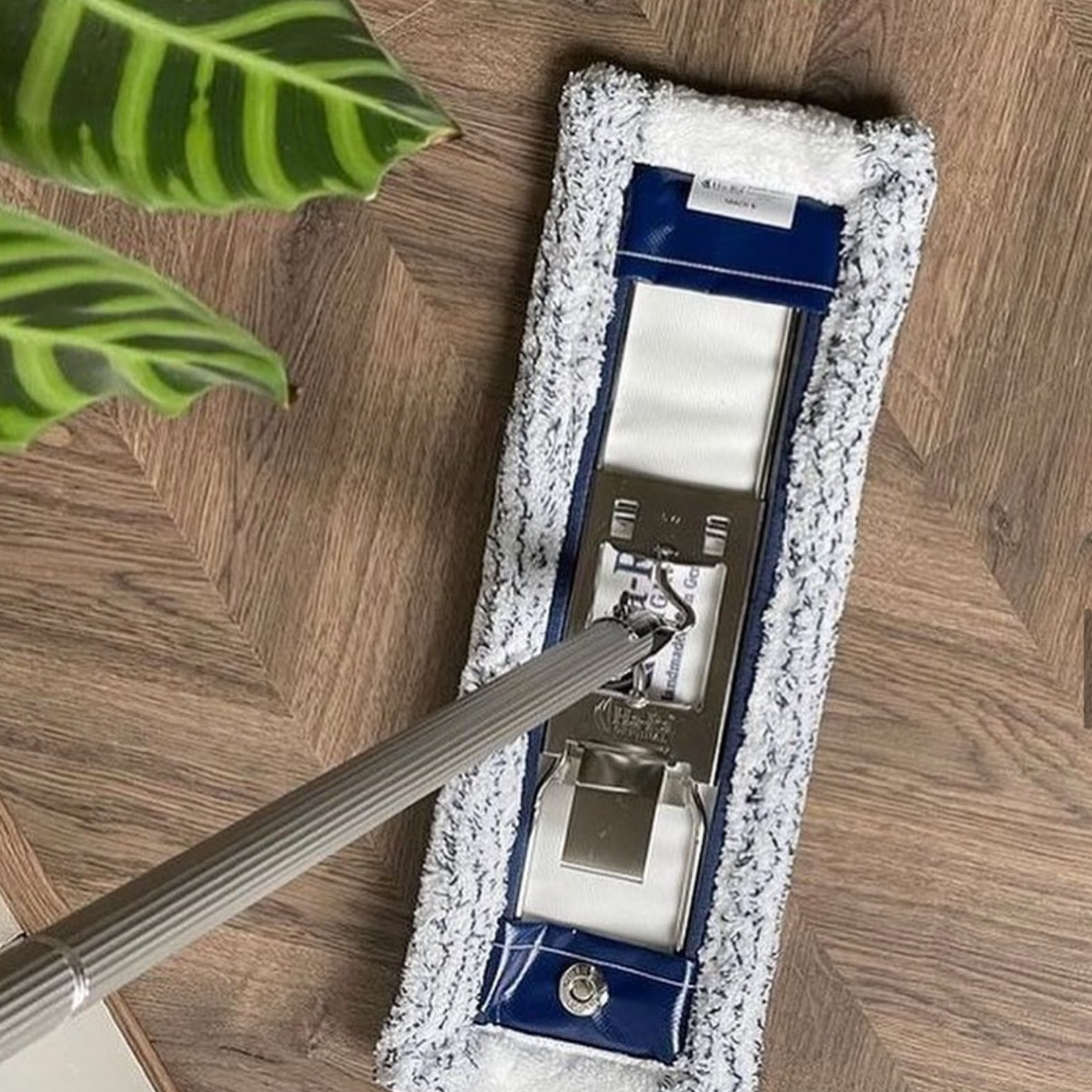
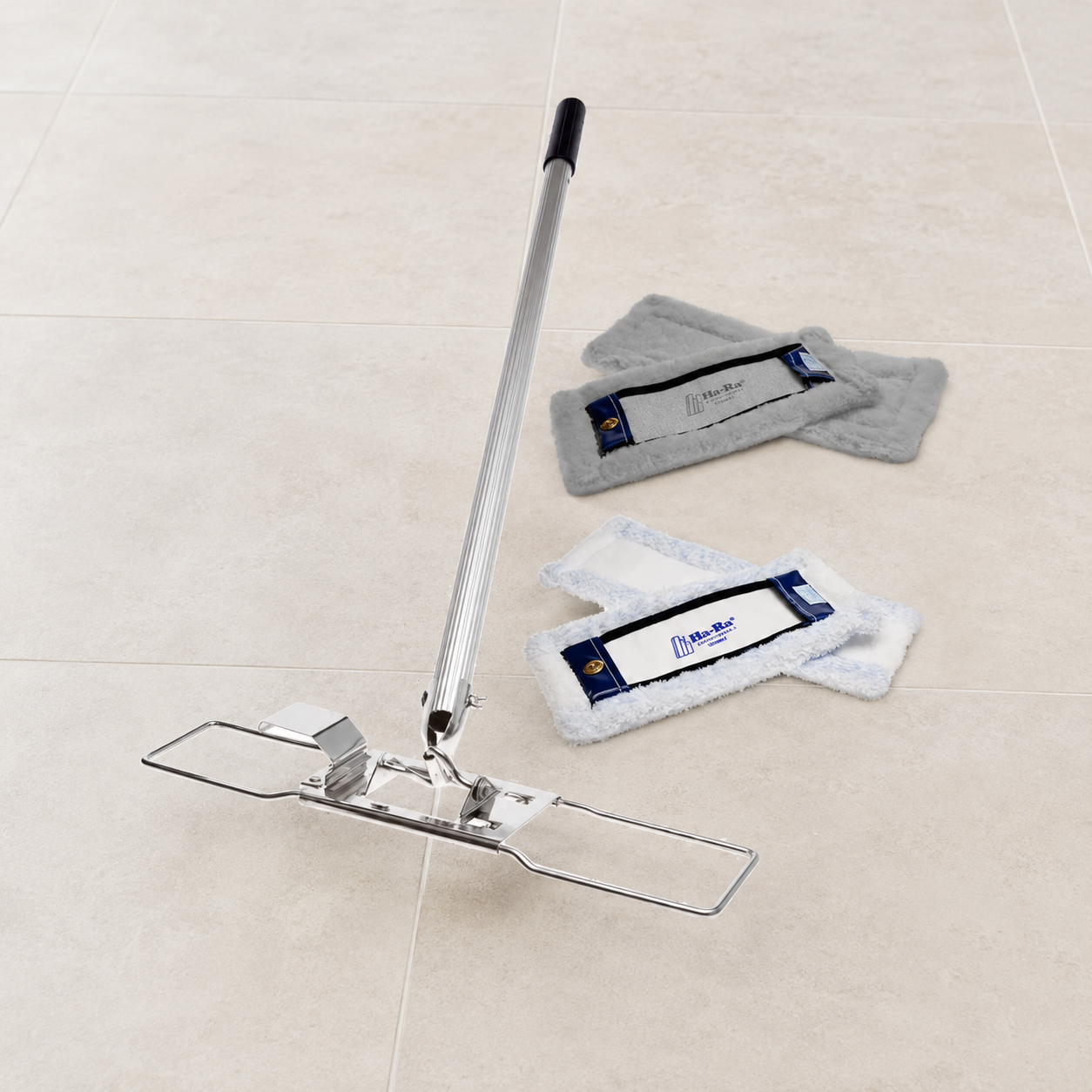
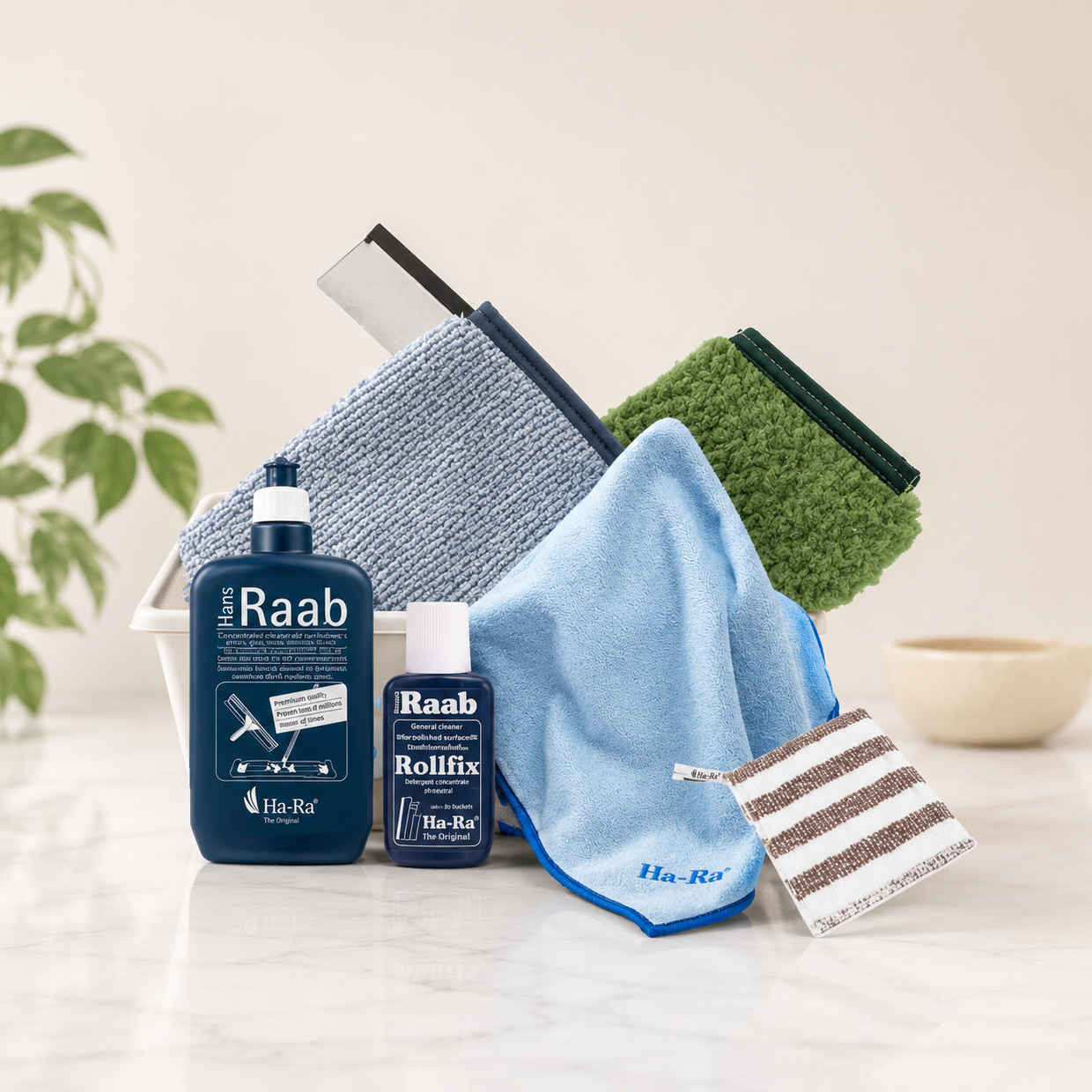
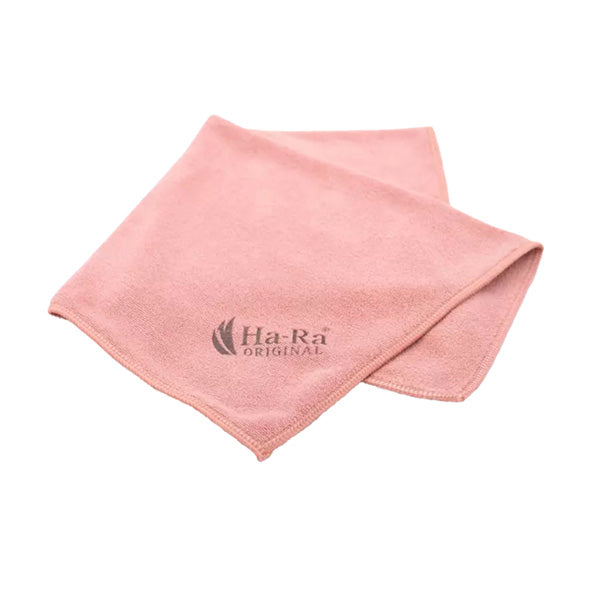
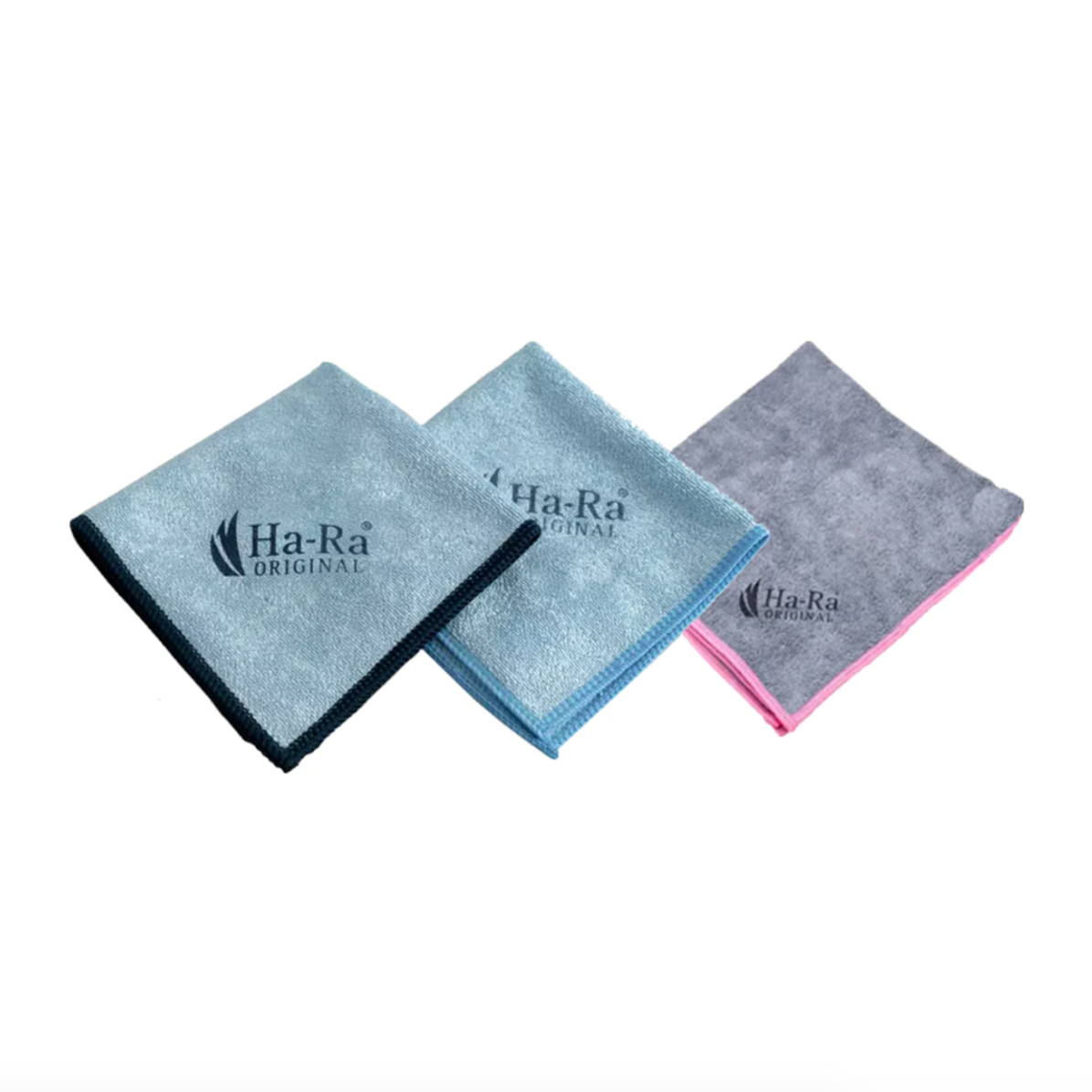
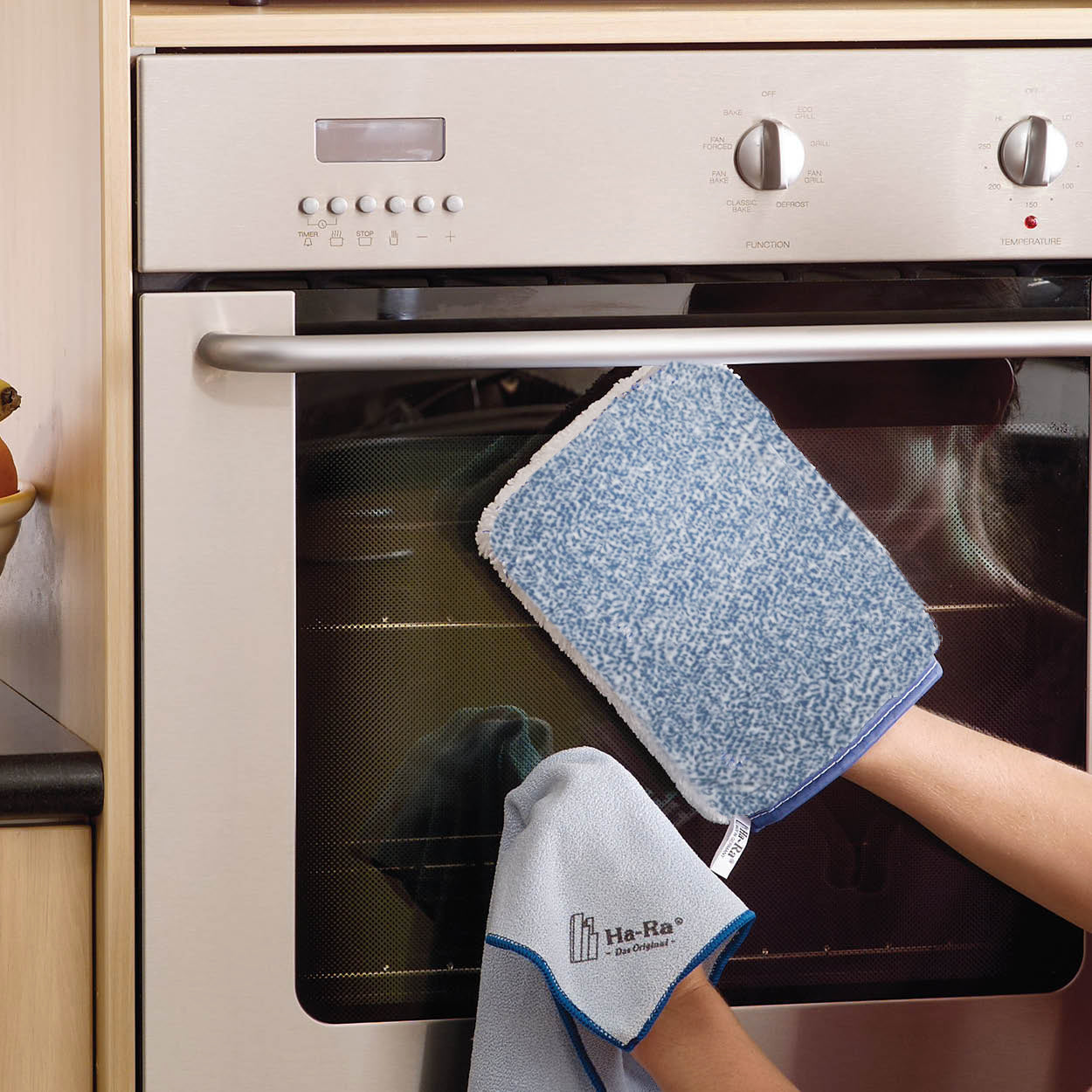
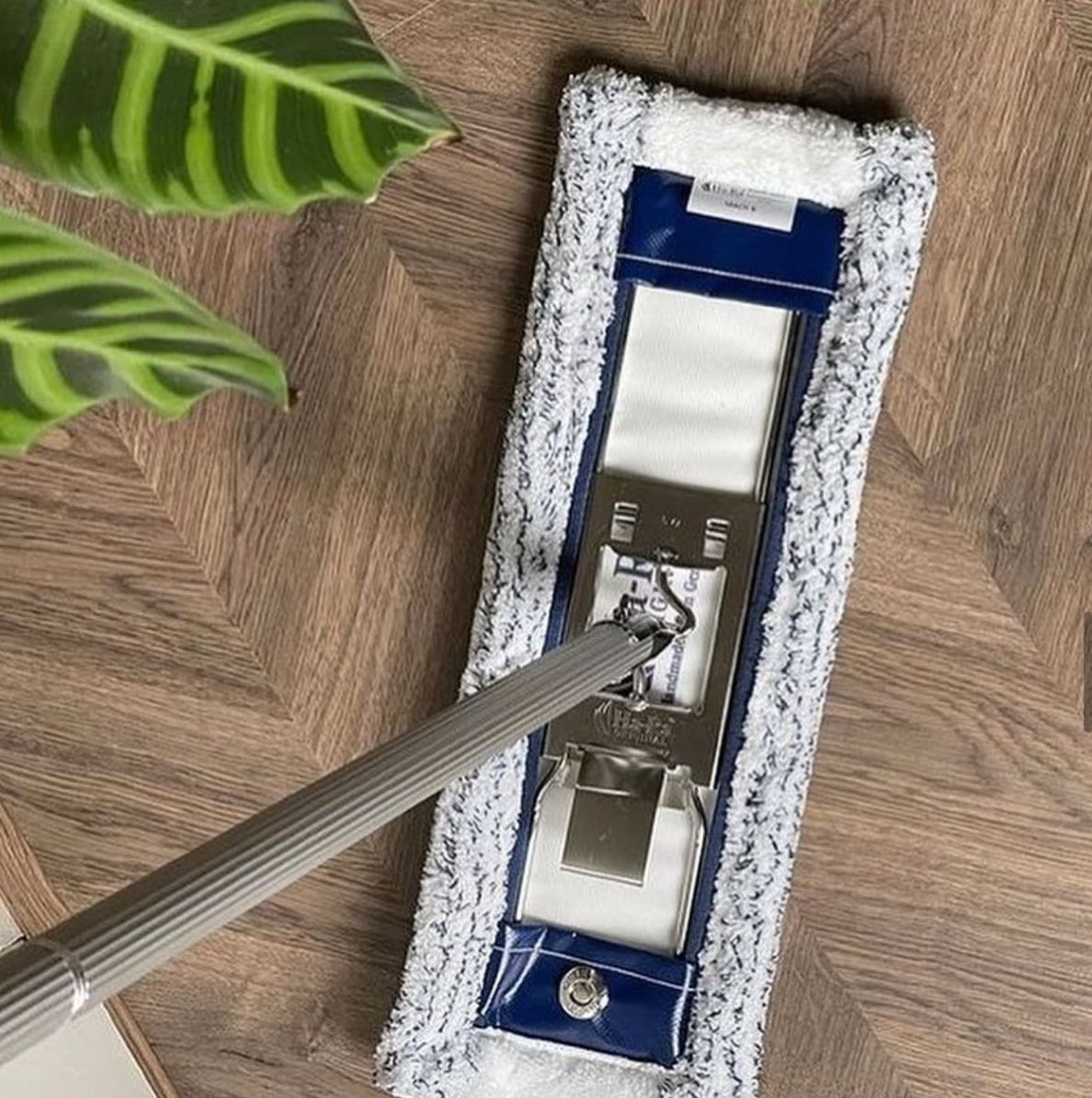
High quality microfibre systems work differently.
The fibres:
• lift dirt away from the surface
• absorb moisture and residue
• polish the glass without scratching
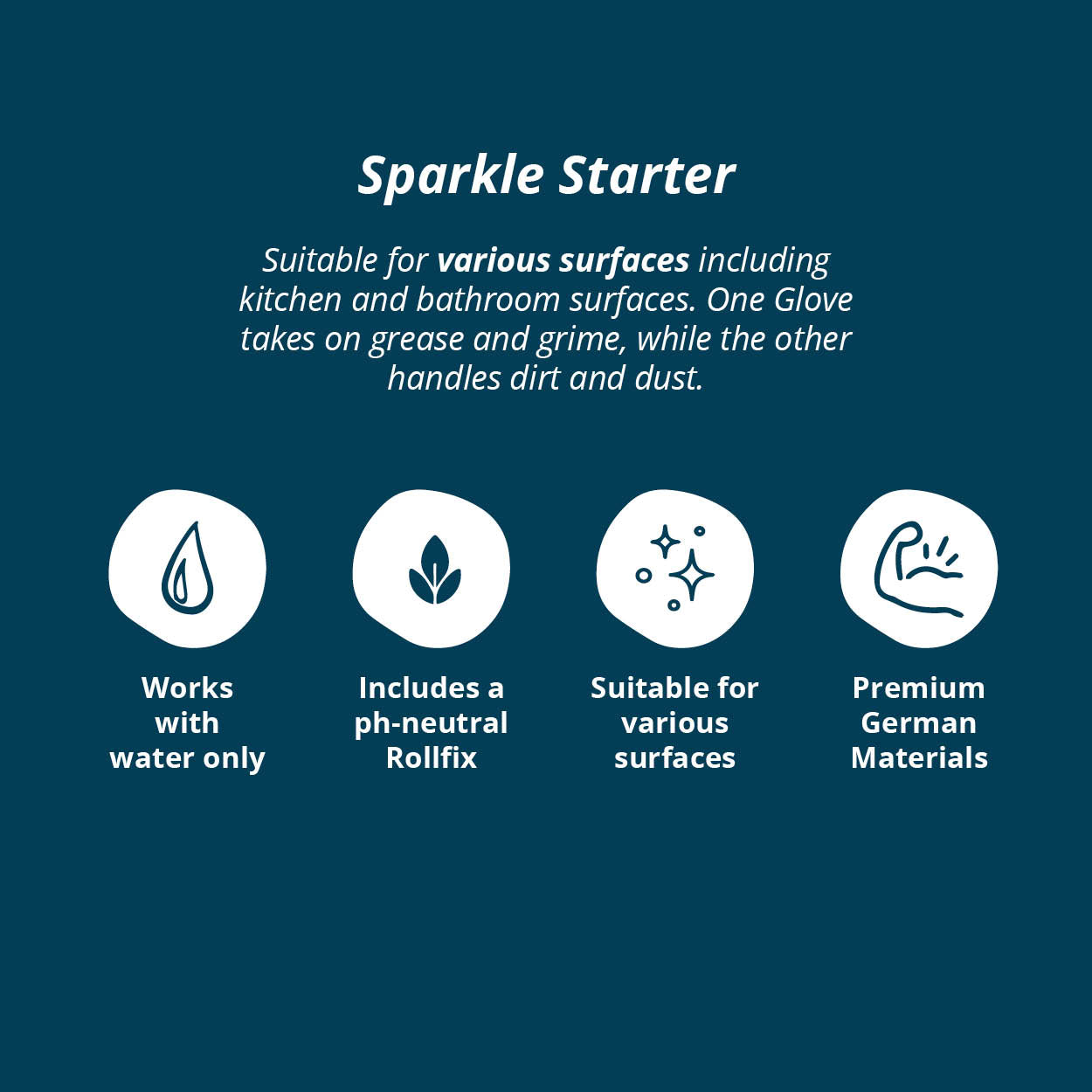
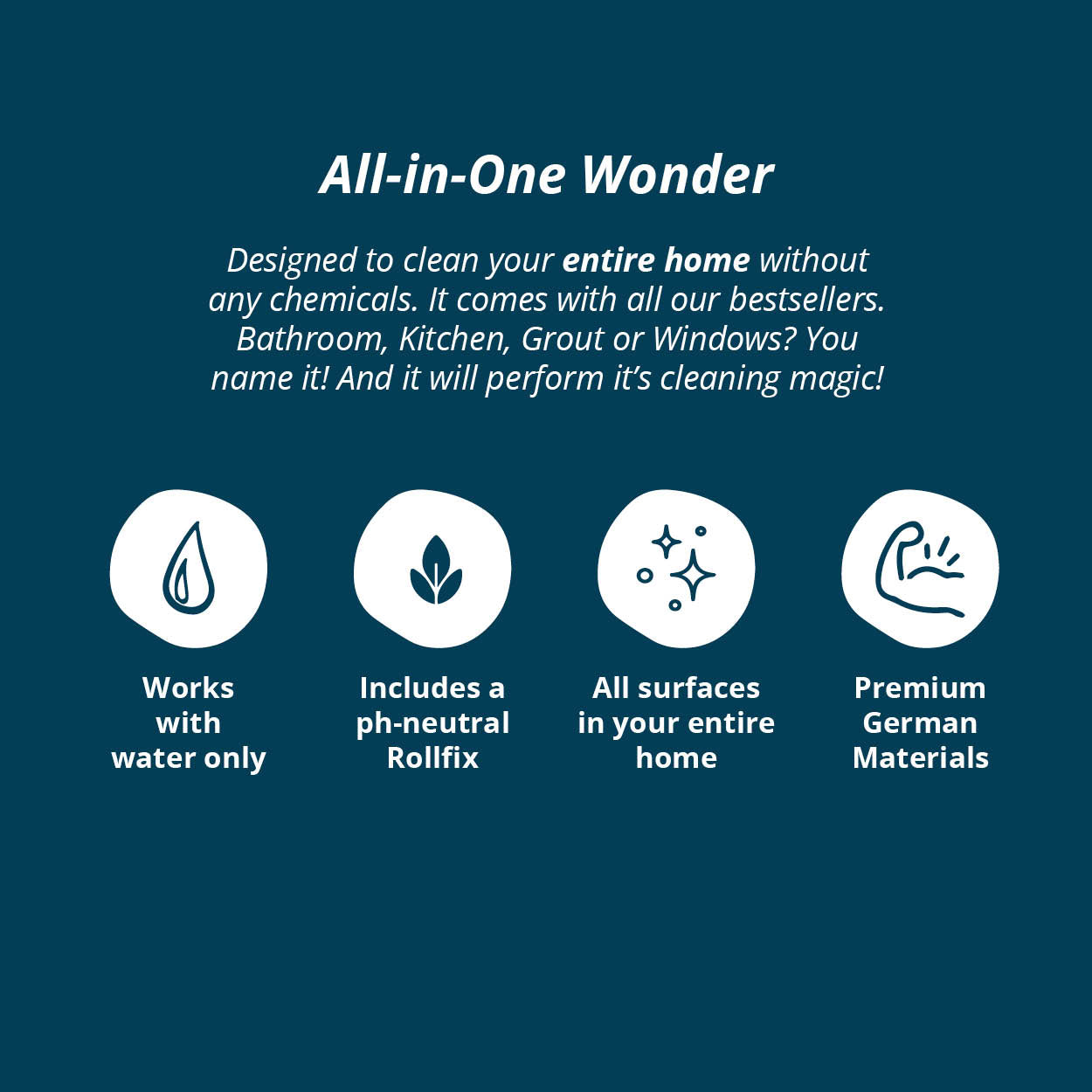
This means in most cases water alone is enough.
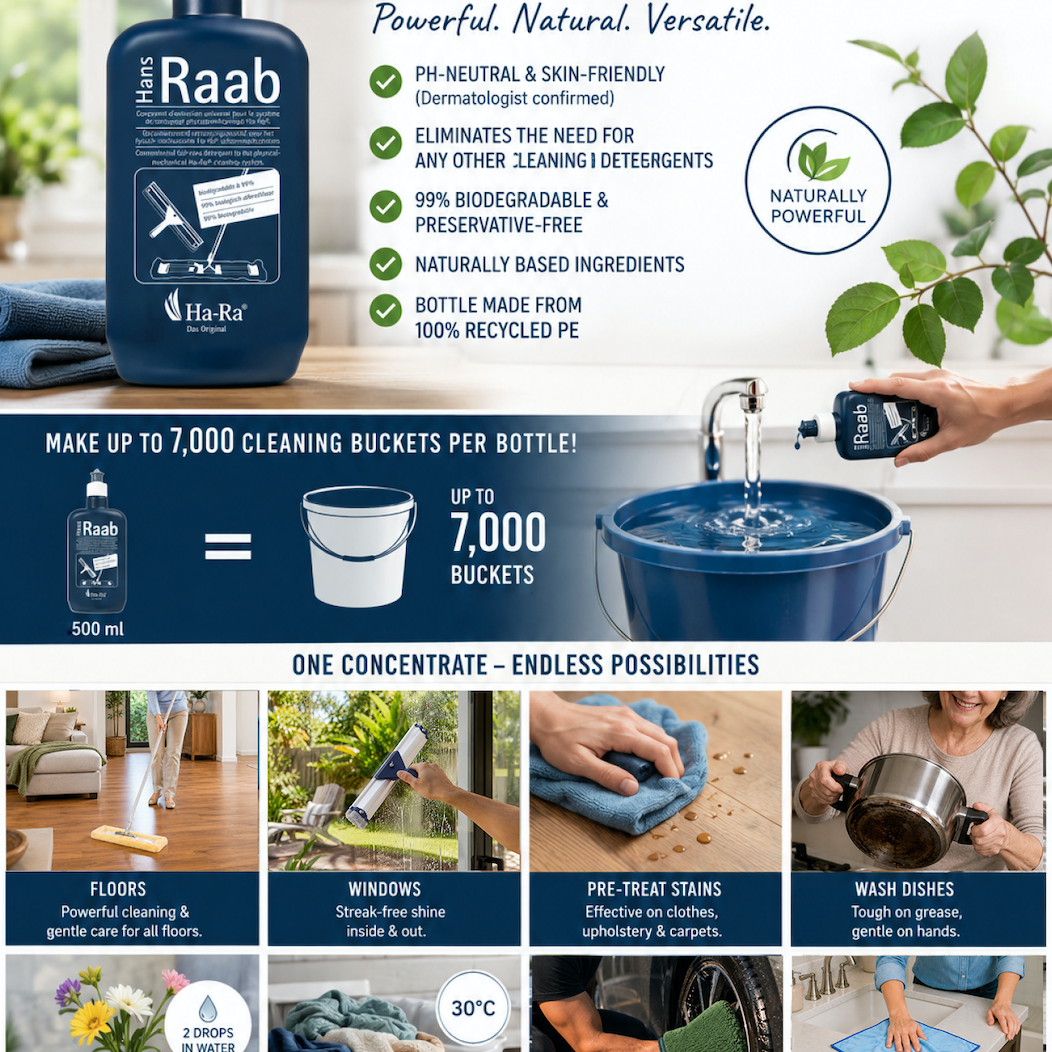
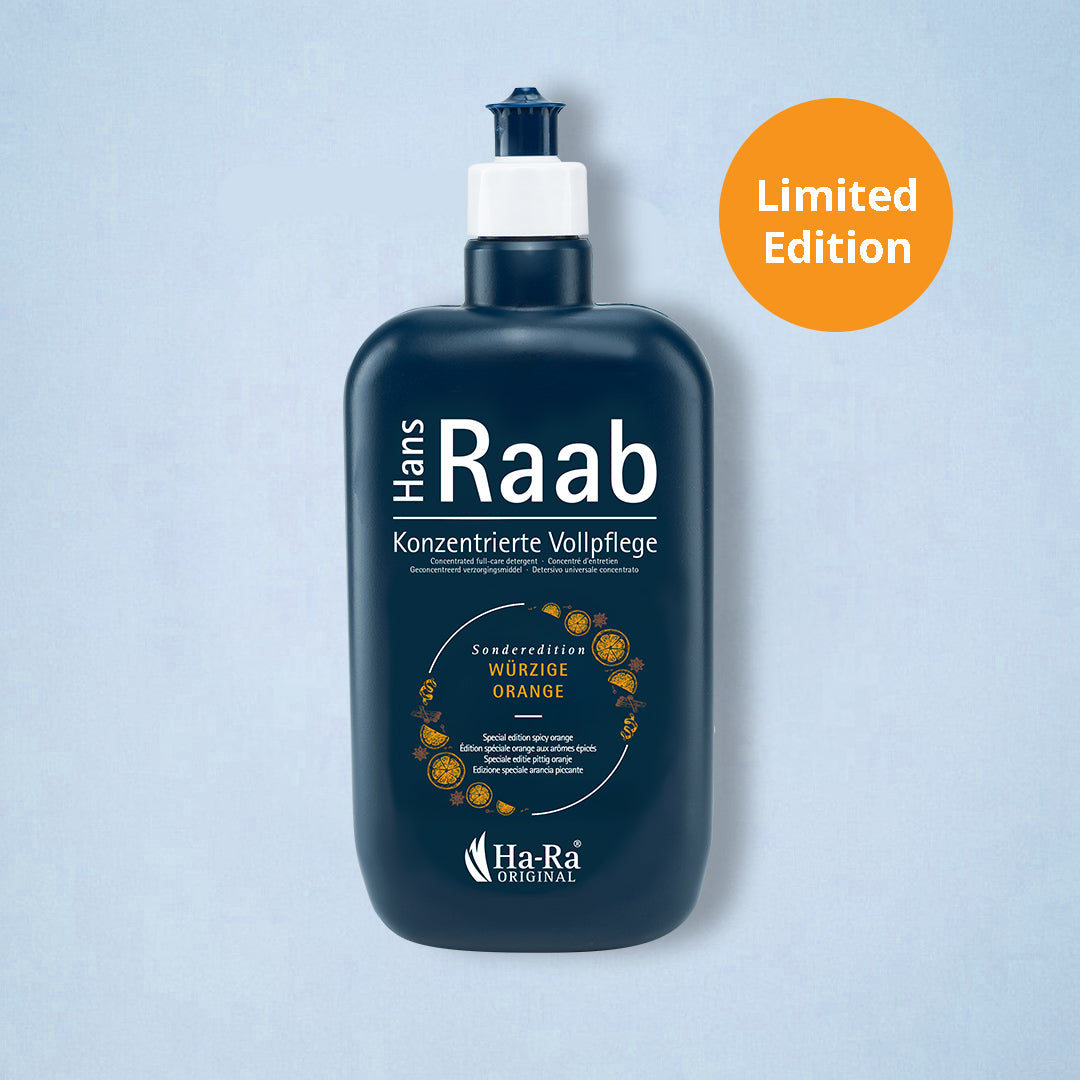
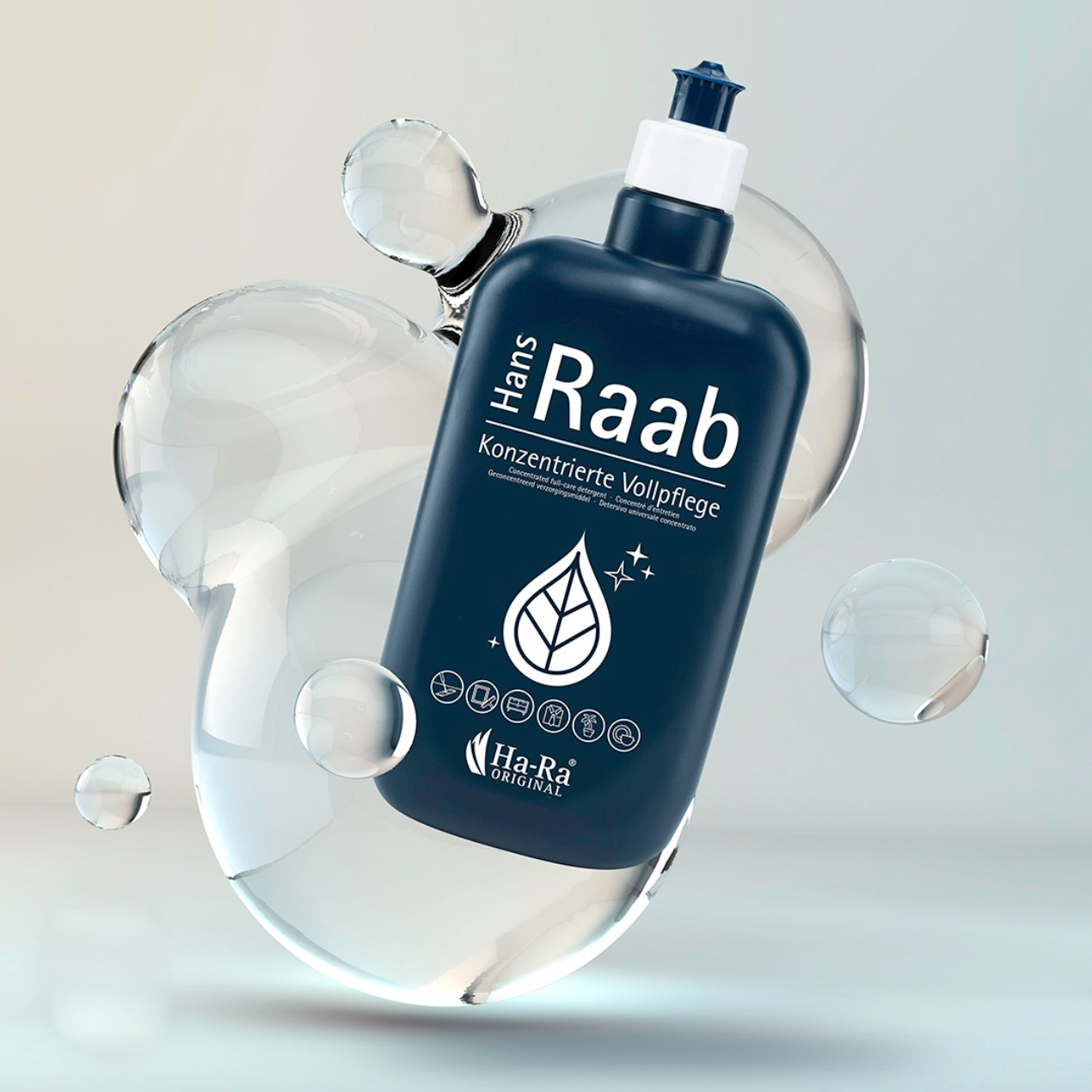
When a little extra help is needed, a pH-neutral detergent is the safest option. Neutral cleaners support the cleaning process without attacking the surface itself.
This is why professional glass maintenance focuses on mechanical cleaning (fibres) rather than chemical cleaning.
The Danger of “Rescue Cleaning”
Once glass cancer has started, people often try increasingly stronger products to fix the problem.
You’ll see suggestions like:
• heavy acid cleaners
• abrasive pastes
• razor blades
• polishing compounds
Sometimes these methods can improve the appearance slightly — but they often damage the glass further.
In severe cases, the only real solution left is:
glass restoration or replacement.
And that can be extremely expensive.
The Real Secret to Crystal Clear Glass
Beautiful glass is not about finding the strongest cleaner.
It’s about consistency.
Small, regular cleans prevent minerals and soap from bonding to the surface.
A simple routine makes a huge difference:
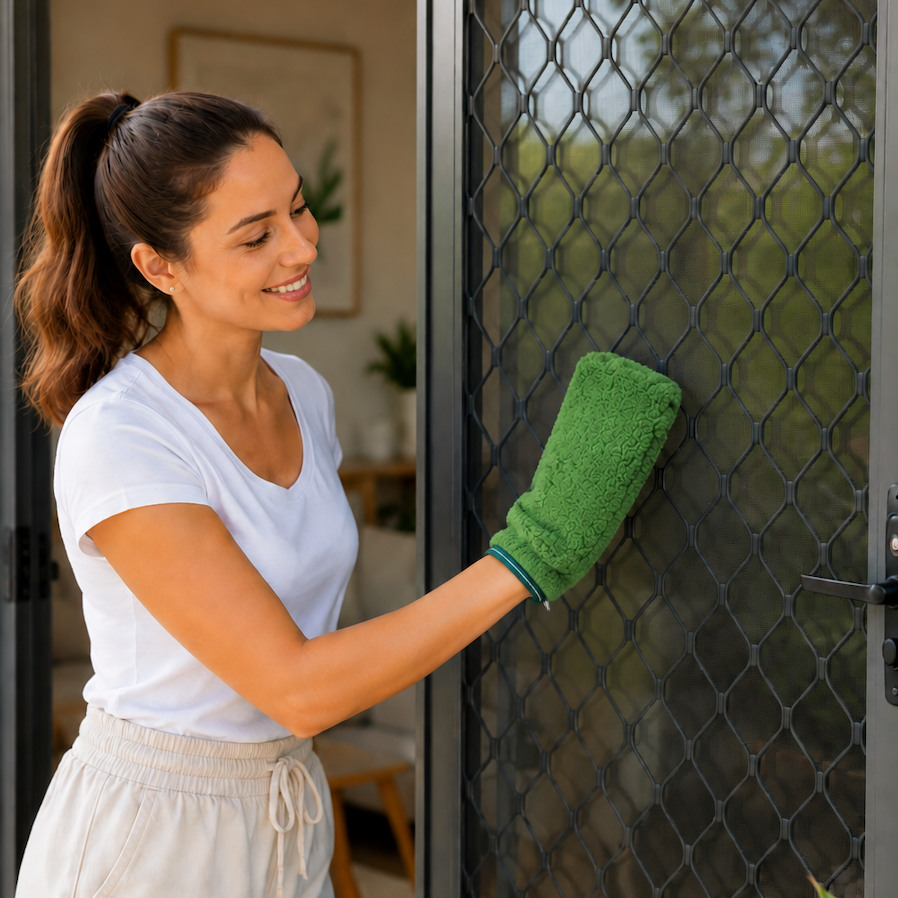
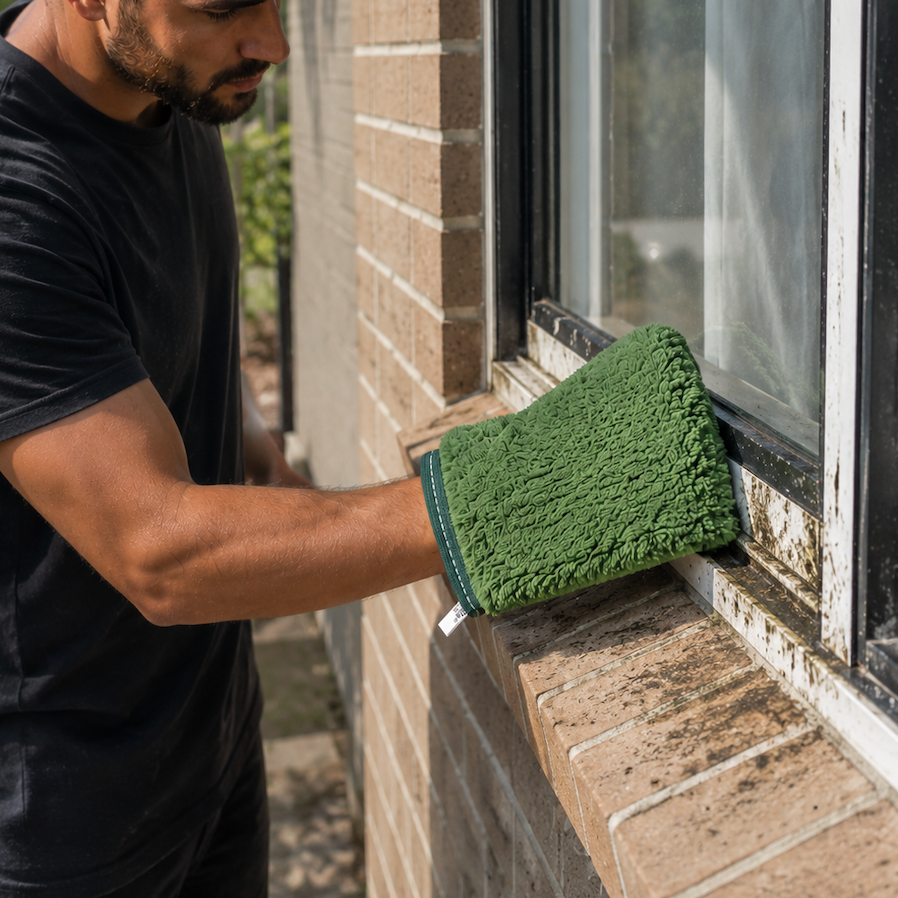
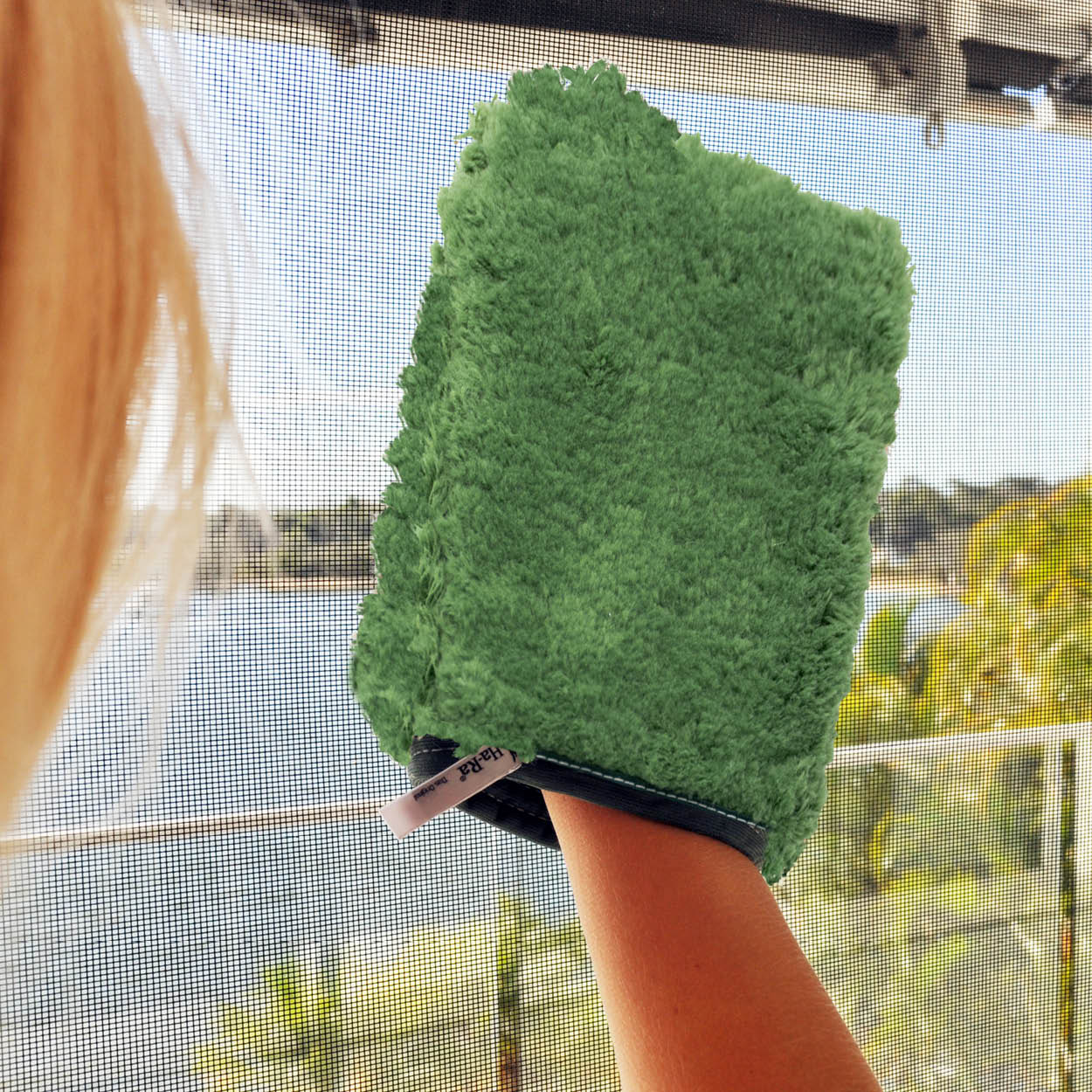
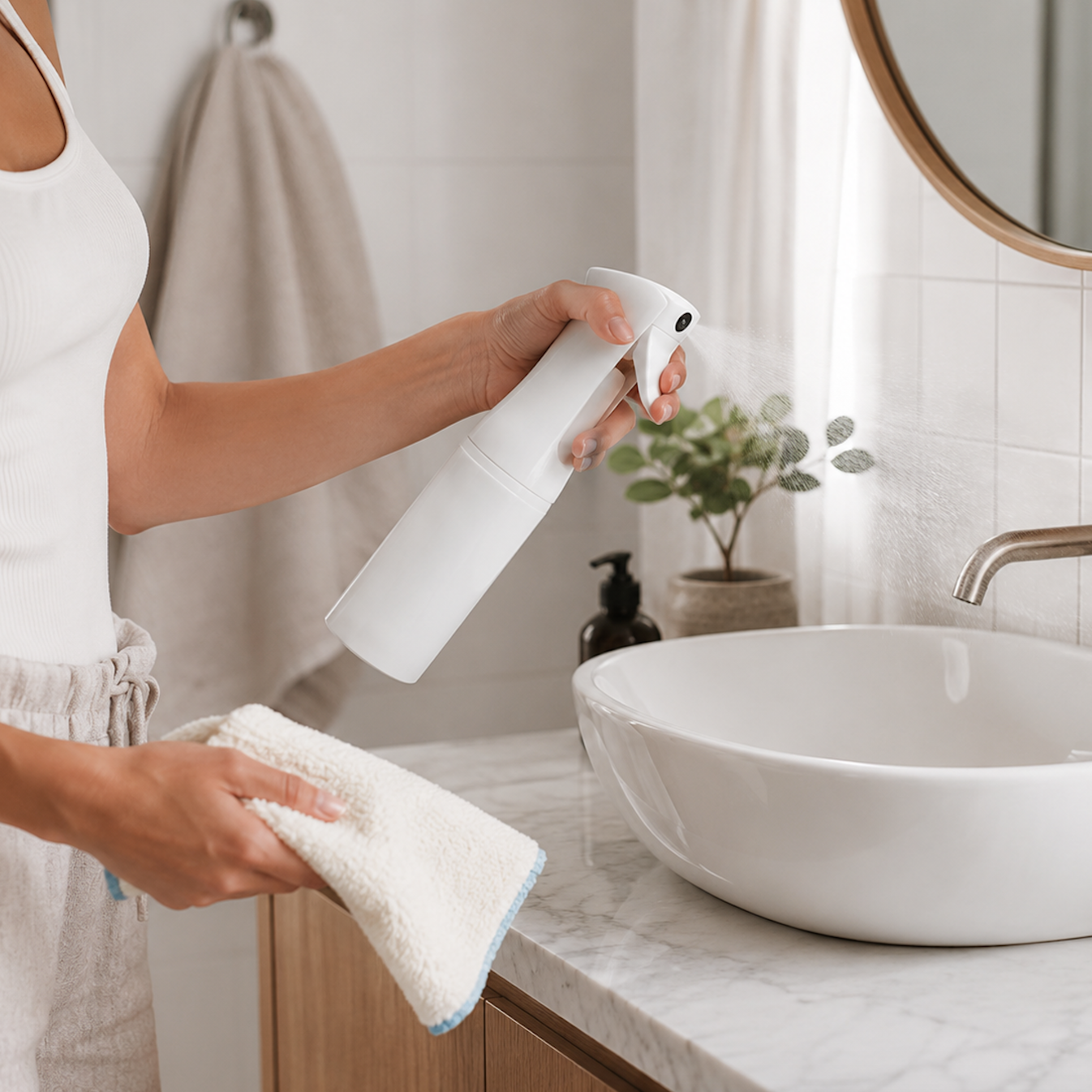
• wipe down glass regularly with a quality fibre (even when you are in the shower)
• remove moisture after showers
• clean with water or pH-neutral detergent
• avoid harsh chemicals whenever possible
It takes only seconds, but it protects your glass for years.
Why Ha-Ra Cleaning Systems Are Designed for Glass Care
Ha-Ra fibres were originally developed for commercial cleaning environments where surfaces must stay perfect for decades — hotels, hospitals and professional facilities.
The goal was simple:
Clean effectively without damaging the surface.
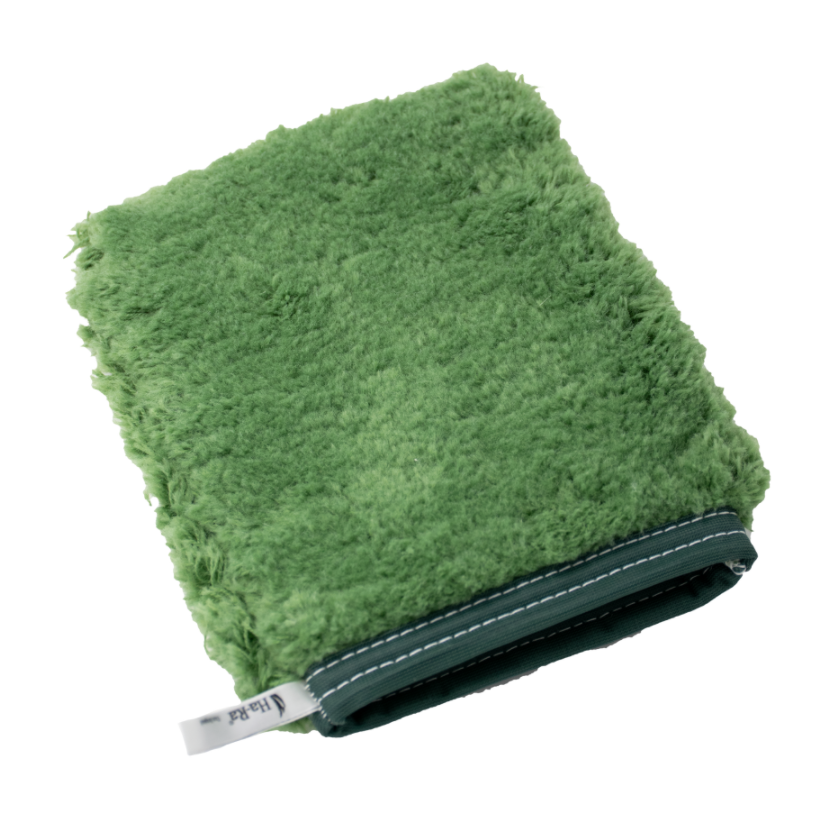
Our fibres are designed to:
• lift dirt deep within the fibre structure
• absorb residue instead of spreading it
• clean with minimal or no chemicals
• leave glass streak-free and polished
This approach not only protects glass — it also reduces chemical exposure in your home.
Once Glass Is Damaged, It’s Too Late
This is the most important thing to understand about glass cancer.
Once the surface is etched, the damage cannot be reversed.
You can improve the appearance slightly with specialist polishing, but the glass will never return to its original condition.
Which is why prevention is everything.
A few seconds of gentle cleaning with the right fibre can protect your shower screens, windows and mirrors for years.
Less Chemicals. More Care.
At Ha-Ra we believe cleaning should protect the surfaces in your home — not slowly destroy them.
Glass does not need aggressive chemicals.
It needs proper cleaning and regular care.
Because when glass is treated the right way, it stays crystal clear for decades.
And that is the real secret behind professional cleaning systems.